
Revolutionizing Smiles: The Impact of Digital Impressions in Modern Dentistry Techniques
Dental care has seen remarkable changes in recent years, especially with the rise of digital technology. One of the most significant advancements is the use of digital impressions. These new techniques are transforming how dentists capture the shape and structure of teeth, making treatments faster, more accurate, and more comfortable for patients. This post explores how digital impressions are changing modern dentistry and what that means for patients and professionals alike.

What Are Digital Impressions?
Digital impressions replace traditional molds made with putty-like materials. Instead of biting into a tray filled with impression material, dentists use a small handheld scanner to create a detailed 3D image of the teeth and gums. This scanner captures thousands of images per second, which software then stitches together to form an accurate digital model.
This method eliminates the discomfort many patients feel with traditional impressions, such as gagging or the unpleasant taste of materials. It also speeds up the process, allowing dentists to work more efficiently.
Advantages for Patients
Digital impressions offer several benefits that improve the overall dental experience:
Comfort: No need to bite into messy trays or hold still for long periods.
Speed: The scanning process takes just a few minutes compared to traditional methods that require setting time.
Accuracy: Digital scans reduce errors caused by material shrinkage or distortion, leading to better-fitting restorations.
Visualization: Patients can see a 3D model of their teeth on a screen, helping them understand their treatment plan.
Faster Treatment: Digital files can be sent instantly to dental labs, speeding up the creation of crowns, bridges, or aligners.
Benefits for Dental Professionals
Dentists and dental technicians also gain from digital impressions:
Precision: The high-resolution images improve the fit and function of dental restorations.
Efficiency: Digital workflows reduce the need for retakes and adjustments.
Better Communication: Digital files can be shared easily with specialists or labs, improving collaboration.
Reduced Waste: Eliminating impression materials cuts down on physical waste and storage needs.
Patient Records: Digital models can be stored indefinitely without degradation, supporting long-term care.
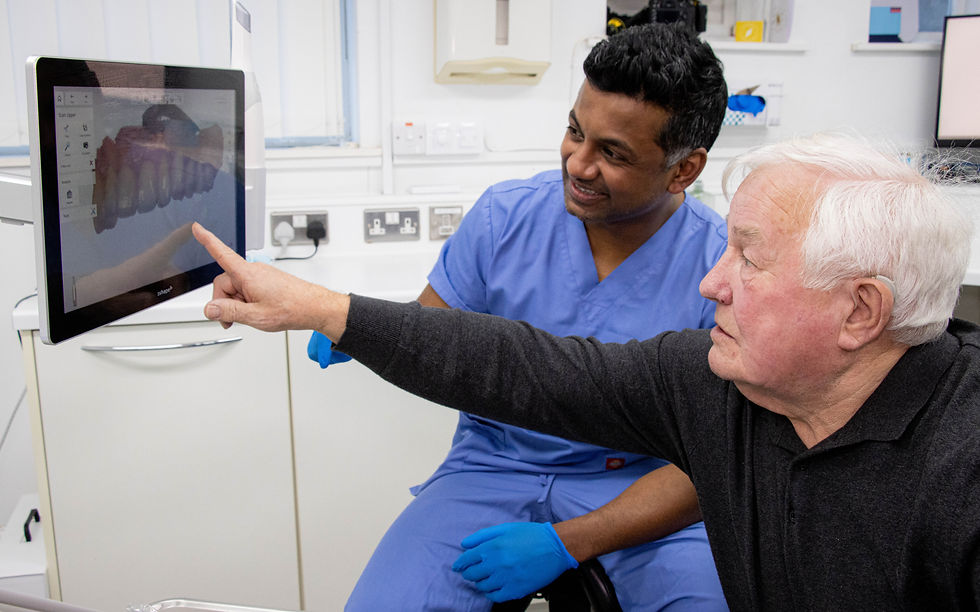
Dr. Udara explains a digital dental scan to a patient, highlighting advancements in dental technology.
How Digital Impressions Fit Into Modern Dentistry Techniques
Digital impressions are part of a broader shift toward digital dentistry. They integrate with other technologies such as CAD/CAM (computer-aided design and manufacturing), 3D printing, and digital smile design. Here are some examples of how these tools work together:
Clear Aligners: Digital scans provide the precise data needed to create custom orthodontic aligners without physical molds.
Implant Planning: Digital impressions combined with 3D imaging help plan implant placement with greater accuracy.
Restorative Dentistry: Digital models guide the creation of inlays, onlays, and veneers that fit perfectly.
Real-World Examples
A dental clinic in California reported that switching to digital impressions reduced their crown turnaround time from two weeks to just a few days. Patients appreciated the comfort and speed, and the clinic saw fewer remakes due to better accuracy.
Another orthodontic practice uses digital impressions to create clear aligners. The digital workflow allows them to track treatment progress more precisely and adjust plans quickly when needed.
Challenges and Considerations
While digital impressions offer many advantages, some challenges remain:
Initial Cost: The equipment and software require a significant upfront investment.
Learning Curve: Dentists and staff need training to use the technology effectively.
Technology Updates: Rapid advancements mean clinics must stay current to maintain efficiency.
Not Always Suitable: In some cases, traditional impressions may still be necessary, such as with patients who have limited mouth opening.
Despite these challenges, the benefits often outweigh the drawbacks, especially as technology becomes more accessible.
What This Means for Patients
Patients should feel empowered to ask their dentists about digital impressions and how they might improve their care. If a practice offers this technology, it usually means a more comfortable visit and faster results. For those needing crowns, bridges, or orthodontic treatment, digital impressions can lead to better-fitting and longer-lasting solutions.
Looking Ahead
Digital impressions are just one part of a growing trend toward digital dentistry. As technology continues to evolve, patients can expect even more personalized, efficient, and comfortable dental care. The future may include fully digital treatment plans, virtual consultations, and advanced materials designed with the help of precise digital data.
Dental professionals who adopt these tools position themselves to provide higher quality care and meet patient expectations for convenience and comfort.


Comments